 Merken
 The first time I smelled shuwa cooking at a family gathering in Muscat, I understood why this dish commands such reverence in Omani kitchens. The aroma alone—layers of cinnamon, cardamom, and slow-roasted lamb mingling with the subtle earthiness of banana leaves—told me this wasn't just food; it was ceremony. Years later, attempting it in my own kitchen, I realized that patience and proper marinating were the real magic, not some mysterious underground technique.
I remember serving this to my neighbors one winter evening, and watching their faces when they took that first bite was worth every hour of waiting. One guest asked if I'd somehow traveled to Oman just to learn how to make it properly, which made me laugh—but also made me realize how much of the dish's magic comes from allowing time to do what impatience never could.
Ingredients
- Bone-in lamb shoulder or leg (2.5 kg): The bone releases gelatin as it cooks, creating an incredibly silky, luxurious texture that boneless cuts simply cannot achieve; ask your butcher for a piece with good marbling.
- Garlic paste (4 tbsp): Fresh paste works far better than dried garlic powder, as it mellows beautifully during the long cook and creates a subtle sweetness.
- Ginger paste (2 tbsp): A fresh, peppery note that cuts through the richness and aids digestion; don't skip this or substitute powdered ginger, which tastes flat by comparison.
- Ground coriander (2 tbsp): This is the backbone of the spice blend, offering warmth and a slightly floral undertone that makes the dish distinctly Omani.
- Ground cumin (1.5 tbsp): Earthy and grounding, cumin prevents the spice blend from becoming too sweet or perfumy.
- Ground cinnamon (1 tbsp): Use true Ceylon cinnamon if you can find it; the subtle sweetness here is what makes people ask what the secret ingredient is.
- Ground cardamom (1 tbsp): Bold and slightly minty, this spice is non-negotiable for authentic flavor—measure carefully as it can overpower if you're heavy-handed.
- Ground black pepper (1 tbsp): Fresh ground pepper adds a gentle heat and keeps everything from becoming too sweet.
- Ground cloves (2 tsp): A pinch too much will make the dish taste medicinal; use this sparingly and trust the measurement.
- Paprika (2 tsp): Adds gentle warmth and a touch of color without heat; Hungarian paprika works beautifully here.
- Turmeric (1 tsp): More for color and mild earthiness than flavor, but it rounds out the spice profile.
- Chili powder (2 tsp, adjusted): Start conservatively and taste the marinade; this is where you control the heat level.
- Salt (2 tsp): Don't reduce this thinking you're being healthy—the meat needs proper seasoning to taste its best.
- White vinegar (1/4 cup): Acts as a tenderizer and brightens the heavier spices; the acidity is essential.
- Vegetable oil (1/4 cup): Carries the flavors deep into the meat and prevents the spice paste from drying out.
- Lemon juice (from 2 lemons): Fresh citrus lifts the entire dish and balances the warmth of the spices.
- Banana leaves (4-6 large, washed and dried): These aren't just for wrapping—they steam the meat gently and impart a subtle, authentic flavor that foil cannot replicate; if unavailable, parchment paper works in a pinch, though the result loses some character.
Tired of Takeout? 🥡
Get 10 meals you can make faster than delivery arrives. Seriously.
One email. No spam. Unsubscribe anytime.
Instructions
- Mix your spice foundation:
- Combine all marinade ingredients in a large bowl and stir until you have a thick, aromatic paste. The mixture should smell absolutely incredible at this point—warm, complex, and inviting. If it smells harsh or one-dimensional, you might need to rebalance the cinnamon and cardamom.
- Score and coat the meat:
- Using a sharp knife, make deep cuts across the lamb shoulder at regular intervals, about a finger's width apart and about half an inch deep. This is where the magic happens—push the spice paste into every cut with deliberate, generous strokes, making sure the flavors reach deep into the meat, not just the surface. Don't be shy; this marinating period is your only chance to infuse flavor throughout such a large piece.
- Let time do the work:
- Cover the bowl and refrigerate for 8 to 24 hours. I usually marinate overnight and then some—the longer you wait, the more the spices penetrate and soften the meat's fibers. You'll notice the marinade becoming more liquid as the meat releases its juices.
- Prepare your oven:
- Preheat to 160°C (320°F) about 30 minutes before cooking. This low, gentle heat is essential; any hotter and the exterior will brown before the interior becomes tender. Lower heat means slower cooking, but that's the entire point of shuwa.
- Wrap with care:
- Take the marinated meat and carefully wrap it in banana leaves, shiny side inward, layering them so they overlap and form a protective cocoon. Secure tightly with kitchen twine or wrap the bundle in food-safe foil to seal it completely. The wrapping traps steam and moisture, creating an oven-within-an-oven effect.
- Create your cooking vessel:
- Place the wrapped meat in a deep roasting pan and cover the top with a lid or additional foil. This double-sealed approach ensures the steam stays trapped and the meat cooks gently in its own juices. You want condensation dripping from the lid, not dry heat.
- The patient roast:
- Roast for 4 to 6 hours, checking only once or twice to ensure the liquid hasn't completely evaporated (add water if needed). The meat is ready when a fork easily shreds a portion of the exterior. The whole house will smell like an Omani dream by hour three.
- Unwrap and finish:
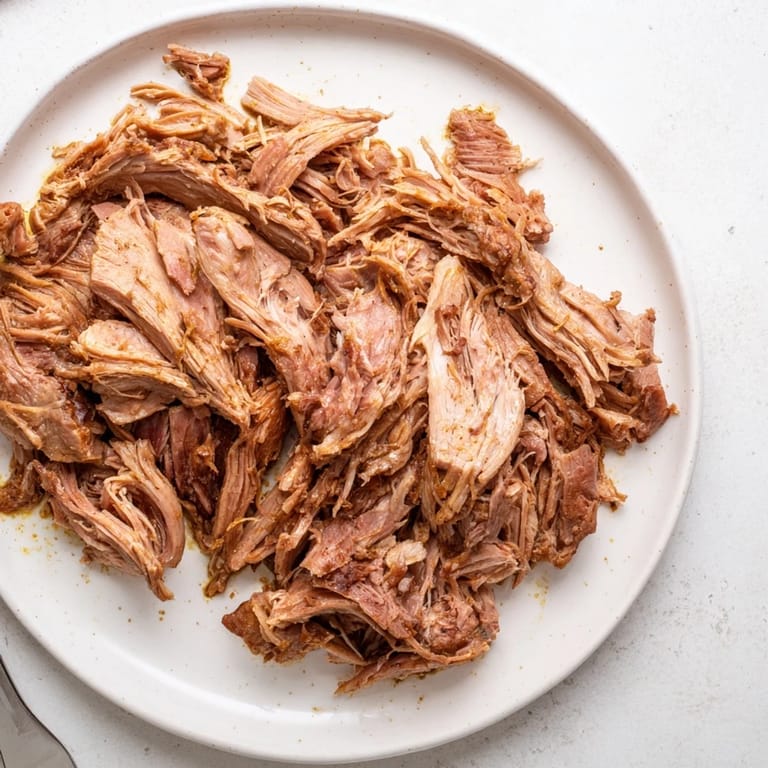
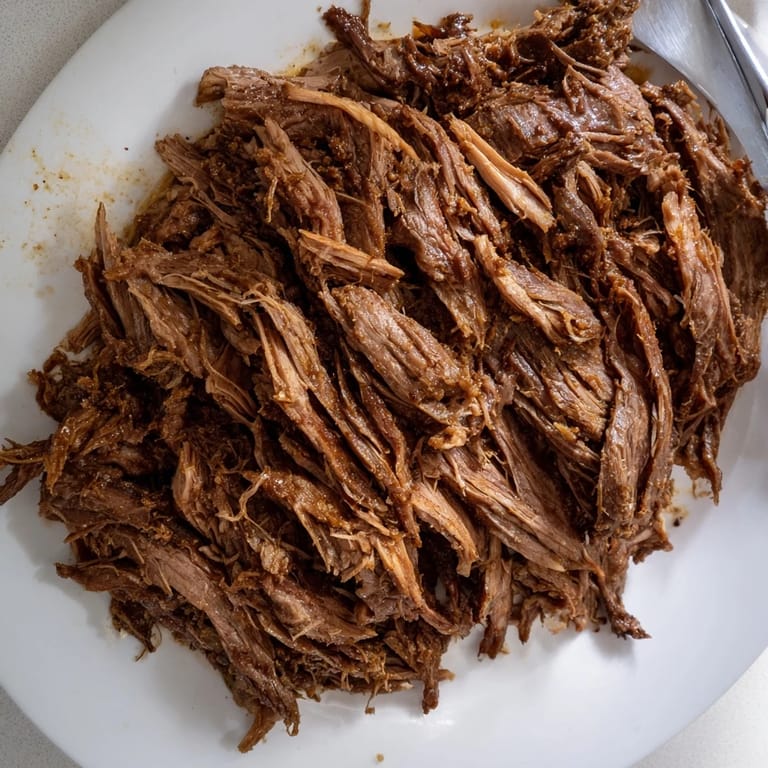
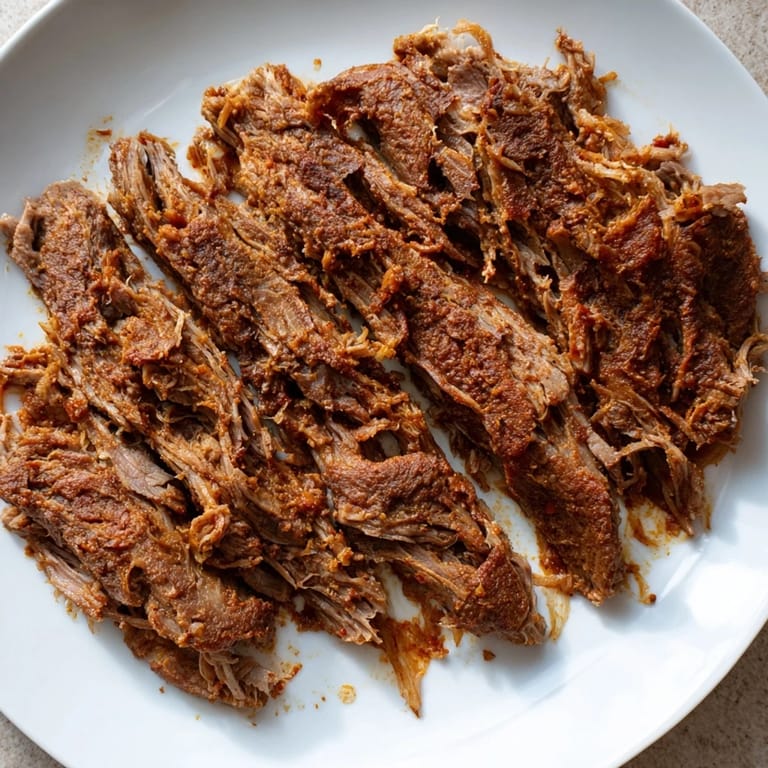
- Remove from the oven and carefully unwrap, being cautious of the steam. The meat should be so tender it practically falls apart at the gentlest touch. Shred or carve into serving pieces and serve warm with the pan drippings spooned over top, alongside rice, flatbread, and your favorite accompaniments.
 Merken
 There's something almost meditative about the moment you unwrap the shuwa and see all that golden, tender meat—it's a visible reward for restraint and planning. That's when this dish stops being about technique and becomes about the joy of feeding people something that required real care.
Why Shuwa Matters in Omani Tradition
Shuwa is traditionally cooked in underground sand ovens called 'tannoor,' often buried in the earth for hours as a communal cooking method during celebrations and major gatherings. The home oven method captures the essential spirit of that tradition—slow, patient, heat-encased cooking that transforms tough cuts into silk. Understanding this context helps you appreciate why speed and high heat would ruin the dish; you're not just cooking, you're honoring a centuries-old practice.
Preparing Your Spice Blend Like a Seasoned Cook
The marinade is where most home cooks succeed or stumble, and the difference usually comes down to sourcing fresh, fragrant spices rather than using whatever's been sitting in your cabinet for a year. If possible, visit a Middle Eastern spice market and smell before you buy—cardamom and cinnamon should be aromatic and bright, not dusty or muted. Toasting whole spices lightly in a dry pan before grinding them gives an even deeper flavor, though this is optional if you're using good quality ground spices.
Troubleshooting and Storage
Shuwa keeps beautifully—in fact, it tastes even better the next day once the flavors have settled into a more cohesive whole. Store the shredded meat and pan drippings together in an airtight container for up to four days, or freeze for up to three months; simply reheat gently in a low oven or on the stovetop with a splash of water to restore moisture. If your finished meat tastes bland despite proper marinating, you likely needed more salt in your marinade or a longer cooking time—low and slow always trumps fast and fierce.
- Leftover shuwa makes an extraordinary filling for sandwiches, flatbreads, or rice bowls the next day.
- Freeze the pan drippings separately if you want to make a rich sauce or gravy later.
- If cooking for a crowd, this dish scales beautifully—just increase marinating and cooking time proportionally for larger pieces.
 Merken
 Shuwa is proof that the best cooking doesn't require constant attention or fancy techniques—it requires planning, quality ingredients, and the patience to let time and gentle heat work their magic. Make this once, and you'll understand why families gather around it.
Fragen und Antworten zum Rezept
- → Wie lange sollte das Fleisch mariniert werden?
Das Fleisch sollte idealerweise 8 bis 24 Stunden mariniert werden, um die Gewürze tief aufnehmen zu können.
- → Kann man statt Bananenblätter auch Alufolie verwenden?
Ja, Alufolie kann als Ersatz dienen, wobei Bananenblätter ein besonderes Aroma hinzufügen.
- → Wie erreicht man besonders zartes Fleisch?
Langsames Garen bei niedriger Temperatur über 4-6 Stunden sorgt für ein butterzartes Ergebnis.
- → Welche Beilagen passen gut dazu?
Spiced Reis, Salate oder Joghurtsoßen ergänzen die Aromen des Fleisches ideal.
- → Welche Gewürze sind typisch für diese Zubereitung?
Koriander, Kreuzkümmel, Zimt, Kardamom, Nelken, Paprika und Chili prägen das Würzprofil.